
Common Rashes in Children? by Dr Yeung Ho Hong 楊浩康
Commonality and Management Strategies of Rashes in Children and Infants
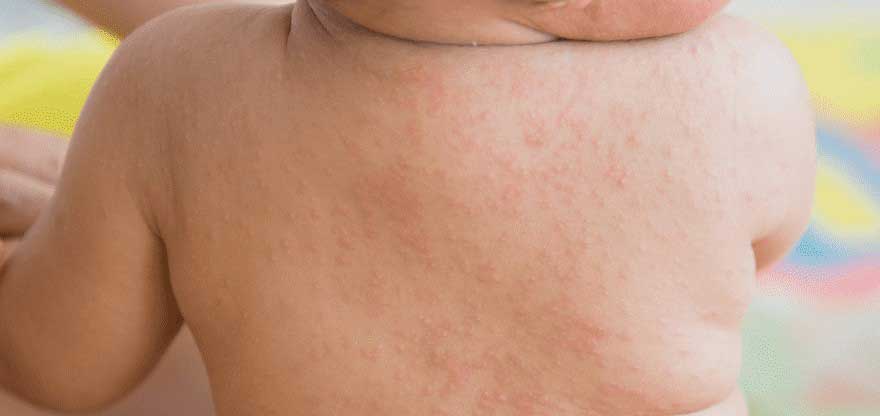
Rashes are extremely common in children and infants, often caused by viral infections. These infections are usually mild, making most rashes self-limiting and resolving over time. Common viral rashes include chickenpox, hand-foot-mouth disease, roseola infantum, and slapped cheek syndrome (fifth disease), though non-viral pathogens can also cause rashes. Parents frequently notice red spots, papules, hives, or small blisters on their child’s skin, with symptoms varying—sometimes singular, sometimes mixed.
Types and Characteristics of Common Rashes
Rash appearance differs by condition. Some show uniform red, flat areas, others raised or multiple papules; rarely, blisters, hives, or central depression occur. Duration varies—some last days, others weeks. Most cases cause minimal discomfort, but some children experience itching or mild pain, requiring parental care to prevent scratching or secondary infections.
However, some rashes signal serious conditions. Small, bright red or purple spots/bruises that don’t blanch under pressure may indicate meningococcal infection, necessitating immediate medical attention. Rashes with persistent high fever or lethargy also warrant prompt evaluation to rule out underlying diseases.
When you need a doctor
Due to their variability, rashes require careful diagnosis. Some viral rashes look similar but differ in severity and prognosis. Parents often mistake all rashes as dangerous, causing undue worry, though most resolve with immune development and recovery. Understanding rash causes and features helps parents apply proper care—keeping skin clean, avoiding harsh cleansers, and using topical medications when needed to relieve itching or discomfort.
Daily hygiene is key in prevention and management. Regular handwashing, maintaining a clean environment, and avoiding shared items reduce pathogen spread. Tracking skin changes and illness progression aids doctors in accurate diagnosis and treatment adjustments. Modern tools like dermoscopy increasingly assist in rash diagnosis.
In summary, while rashes are common and mostly self-limiting in children and infants, parents should stay vigilant for symptom changes or severe infection risks, seeking early medical advice. Proper care, prevention, and scientific treatment promote quick recovery and healthy skin. This article details rash appearance, progression, and management to help parents recognize and address pediatric skin issues effectively.