
Rotavirus infection(輪狀病毒感染) - Dr Yeung Ho Hong 楊浩康 醫生
Comprehensive Analysis and Prevention Strategies for Rotavirus Infection
Rotavirus infection is a common viral gastroenteritis disease that primarily affects infants and young children, especially between 4 months and 2-3 years of age. Due to the immature immune systems of infants, rotavirus can easily infect them and cause severe watery diarrhea, frequent vomiting, fever, and abdominal pain. This condition is a leading cause of gastroenteritis in children worldwide and one of the common reasons for hospitalization. Diarrhea and vomiting can lead to significant fluid and electrolyte loss, and if infants do not receive timely hydration, they are at high risk of severe complications such as dehydration.
Symptoms
In clinical settings, the typical symptoms of rotavirus infection include:
- Watery diarrhea
- Repeated vomiting
- The affected child may experience moderate to severe fever
- Abdominal discomfort and generalized weakness
- Due to the often very frequent diarrhea, parents should watch for signs of dehydration in infants, such as dry mouth, reduced urine output, lethargy, or even confusion.
These symptoms typically appear within hours of infection onset and, if not addressed promptly, can rapidly worsen, potentially becoming life-threatening.
Transmission Routes
- Rotavirus is primarily transmitted through the fecal-oral route and may also spread via contact with virus-contaminated objects and food.
- Since the virus remains contagious after being shed by an infected child, it can easily trigger outbreaks, particularly in crowded settings such as daycare centers and households.
Parents and caregivers should reinforce personal hygiene practices, such as frequent handwashing, maintaining indoor ventilation, and properly disinfecting toys and frequently touched surfaces, to reduce the risk of transmission.
Prevention
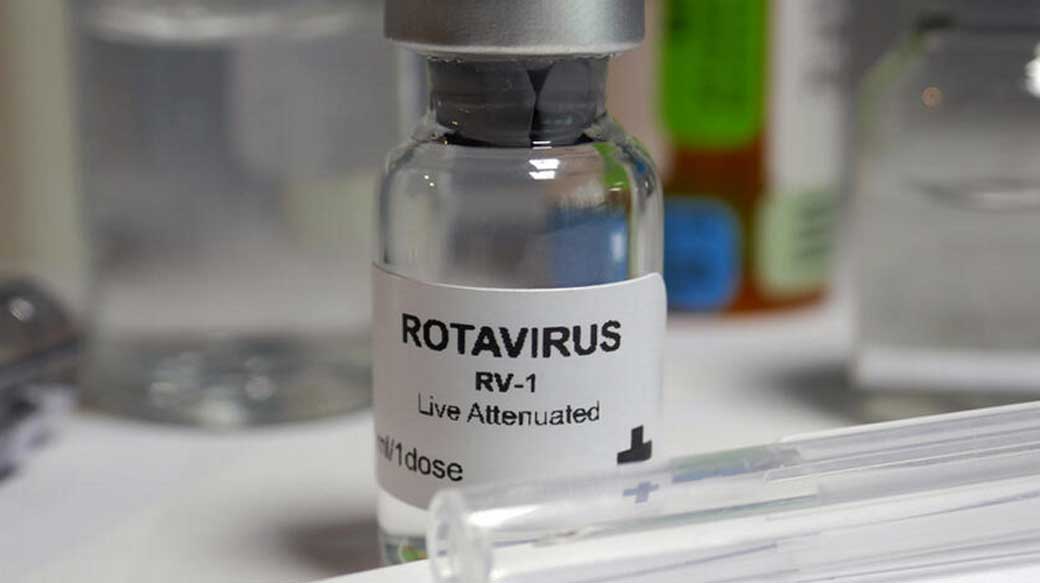
- The most effective way to prevent rotavirus infection is through vaccination. Many countries worldwide have included the rotavirus vaccine in their infant immunization programs, significantly reducing severe cases and hospitalization rates.
- In addition to vaccination, maintaining good lifestyle and personal hygiene habits is equally important. This includes regular cleaning, timely diaper changes, and ensuring the safety and hygiene of food and drinking water.
Treatment
Treatment for rotavirus infection primarily involves symptomatic and supportive care, as there are currently no specific antiviral medications available.
Rehydration is the cornerstone of treatment:
- For mild dehydration, oral rehydration salts (ORS) can be used to quickly restore lost fluids and electrolytes;
- For patients with severe dehydration, intravenous fluids are required.
- Additionally, if high fever or pain is present, appropriate medications may be used under medical guidance to alleviate discomfort. Adequate rest and nutritional support are also critical for promoting recovery.
It must be emphasized that parents should closely monitor the child’s condition. If diarrhea persists, signs of dehydration appear, or the condition rapidly deteriorates, immediate medical attention should be sought. Although rotavirus infection is a self-limiting disease, complications such as dehydration and electrolyte imbalances can have serious consequences for infants. Early intervention and timely rehydration are key measures to prevent life-threatening outcomes.
In summary, rotavirus infection is one of the leading causes of gastroenteritis in children globally, with typical symptoms including watery diarrhea, vomiting, fever, abdominal pain, and dehydration. Through vaccination, good hygiene practices, and prompt rehydration therapy, most affected children can recover within a few days to a week. Parents should remain vigilant, closely monitor symptom changes, and seek medical care early to effectively manage the disease and ensure their child’s healthy growth.
Reference link : https://www.msdmanuals.com/home/children-s-health-issues/common-viral-infections-in-infants-and-children/rotavirus-infection