
Angular Cheilitis: Symptoms, Causes, and Prevention by Dr Yeung Ho Hong 楊浩康
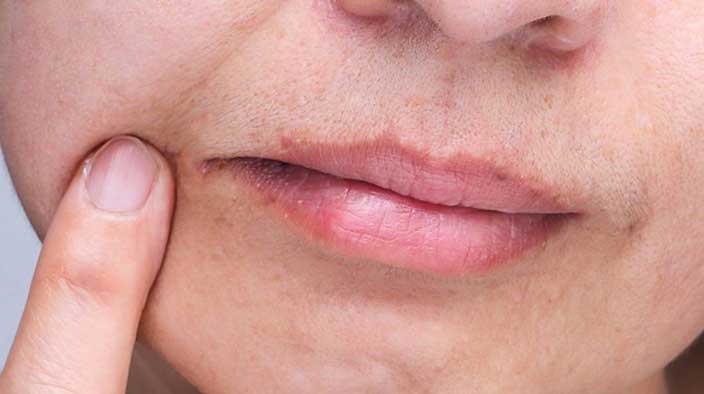
What is Angular Cheilitis? — Symptoms, Causes, Prevention, and Treatment Strategies
Angular cheilitis is a common non-contagious skin inflammation primarily affecting the corners of the mouth and surrounding areas. It is typically caused by prolonged exposure to saliva and digestive enzymes, which damage the skin’s keratin layer, leading to a compromised skin barrier and localized inflammation. It may be linked to local dryness, eczema, or vitamin B deficiency, requiring a comprehensive approach to care.
Clinically, angular cheilitis presents varied symptoms, including painful cracks or fissures at the mouth corners, often accompanied by blisters, erosion, and oozing, sometimes with crusting or slight bleeding. The affected skin may change from normal to red or dark red. Most cases are bilaterally symmetrical, though unilateral occurrences can happen. Notably, secondary bacterial or fungal infections, such as Staphylococcus aureus or Candida, may occur, potentially worsening the condition.
For most patients, angular cheilitis is self-limiting, with skin typically recovering within one to two weeks without professional treatment. However, daily care remains essential. Keep the mouth corners and surrounding skin clean by washing multiple times daily with warm water and a gentle baby cleanser to remove saliva and irritants. Afterward, gently pat dry with a clean towel to maintain dryness and reduce moisture-related skin damage.
Using suitable lip balm or ointment is crucial during care, forming a protective barrier to shield against irritants, reducing friction and infection risk. For mild cases, topical antibacterials can suppress bacterial growth, while patients with fungal infection signs should use topical antifungals ('抗真菌藥物') for better outcomes.
If severe inflammation or persistent symptoms occur, some doctors may prescribe topical steroids to quickly reduce inflammation. However, long-term or excessive steroid use can thin the skin and cause side effects, so it should be used under medical supervision.
Lifestyle improvements are also key to prevention. Many parents mistakenly attribute angular cheilitis solely to external bacteria, overlooking nutrition and habits. In fact, deficiencies in vitamin B or trace elements can increase risk. A balanced diet rich in fresh fruits and vegetables supports skin repair and immunity. Avoiding prolonged drooling and repetitive lip-licking reduces irritation and friction-induced damage.
For severe cases, spreading rashes, or signs of persistent infection (e.g., fever, pus, or significant discomfort), seek medical attention promptly. Pediatric or dermatology specialists can offer targeted treatments to control the condition and prevent complications. Regularly monitor changes and track progress to adjust care as needed.
Overall, though angular cheilitis is common and often self-limiting, its impact on a baby’s appearance and comfort warrants attention to daily care and prevention. Good hygiene, appropriate lip products, and timely medical intervention can effectively manage most cases, promoting healthy skin recovery. Proper understanding and scientific care reduce recurrence, ensuring a healthy, comfortable environment for babies.