
What is Roseola Infantum(嬰兒玫瑰疹)? by Dr Yeung Ho Hong 楊浩康
Infant Roseola: A Comprehensive Analysis of Fever, Rash, and Self-Limiting Viral Infection
Roseola infantum, commonly known as infant roseola, is a widespread mild viral infection primarily affecting children. This condition is caused by the human herpesvirus family, though it differs from the virus type responsible for cold sores, meaning it does not trigger other forms of herpes infections. Most children experience roseola before the age of 2, with an extremely high incidence rate, making it one of the most common gastrointestinal and respiratory illnesses among infants and toddlers worldwide.
Symptoms and course of the disease
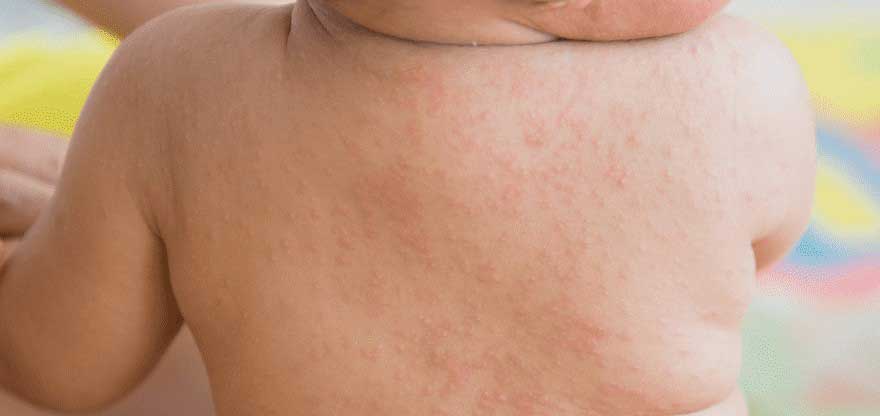
In the early stages of infection, affected children often experience a sudden onset of high fever, which typically lasts 3 to 5 days and may be accompanied by systemic discomfort such as headaches and muscle aches. During this fever period, children may exhibit extreme irritability and drowsiness, causing significant concern for parents. As the condition progresses, shortly after the fever subsides, raised red rashes appear first on the trunk. These rashes often present as a pink, lace-like pattern and gradually spread to the arms and legs, with the face being less commonly affected. The rash typically lasts about 2 days and blanches upon pressure, a key diagnostic feature. In some cases, certain children may only exhibit a high fever without any rash; in rare instances, a sudden sharp rise in body temperature may even trigger febrile seizures, complicating disease management.
Contagiousness and prevention
Contagiousness is another critical aspect of infant roseola to note. Before symptoms manifest, infected children are contagious, and the virus can spread through respiratory secretions (e.g., droplets released during coughing or sneezing) in the air. However, once fever and/or rash appear, the child is no longer highly contagious, a pivotal point for controlling outbreaks. Thus, parents should take appropriate precautions in the early stages of the illness to avoid overly close contact with other children.
As infant roseola is a self-limiting disease, most cases resolve spontaneously without specific treatment. The focus of management lies in symptomatic care: using Paracetamol (撲熱息痛) to control fever, and ensuring adequate fluid intake to prevent dehydration. Sufficient rest is also a vital factor in promoting recovery. During caregiving, parents should monitor the child’s temperature while also observing their appetite and energy levels to ensure a smooth recovery.
Additionally, parents should be aware of common misconceptions. Some may mistakenly believe that high fever and rash necessitate immediate antibiotic use, but since infant roseola is entirely natural, viral, and self-limiting, antibiotics are ineffective. Others may worry that the rash will leave permanent marks in the future, yet in most cases, the skin fully returns to normal after the illness resolves. Thus, accurately understanding this condition and applying scientifically sound caregiving measures are crucial for alleviating parental anxiety and ensuring the child’s well-being.
In summary, infant roseola is a common viral infection prevalent among infants and toddlers, characterized primarily by high fever followed by a rash appearing outside the facial area after the fever subsides. Although the illness may persist for several days to a week, most cases resolve on their own without negatively impacting the infant’s long-term health. Parents should prioritize adequate fluid intake and symptomatic care, seeking medical advice when necessary, to ensure the child safely and smoothly navigates this infection period, recovering fully and continuing to grow steadily.