
What are the treatment options for actinic keratosis? by Dr Yeung Ho Hong 楊浩康
What is Actinic Keratosis: Comprehensive Treatment and Care Strategies
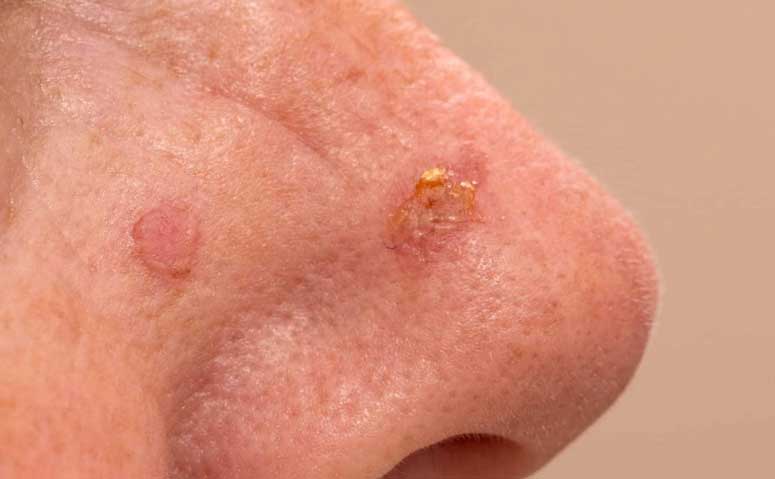
For patients with actinic keratosis, different treatment methods can be selected based on the nature and severity of the condition. Actinic keratosis is a skin disorder caused by long-term exposure to ultraviolet (UV) rays, classified as a precancerous lesion. Its occurrence is often associated with sun exposure, chemical carcinogens, and skin trauma. Clinically, lesions typically appear on sun-exposed areas such as the face, hands, and upper limbs, presenting as localized thickening of the stratum corneum, erythema, or rough plaques, which affect the skin's appearance and texture.
Physical Therapy:
Physical therapy is primarily used to destroy individual actinic keratosis lesions that are symptomatic or have a thickened surface. These treatment methods involve mechanically disrupting the lesion area. Although lesions may recur over time after treatment, repeated sessions can be performed as needed to control the condition. This approach is typically used for patients with small, localized lesions.
Cryotherapy:
Cryotherapy uses liquid nitrogen spray to freeze the lesion, with the depth and duration of freezing adjusted based on the lesion's location, width, and thickness. Healing time for facial lesions is generally 5 to 10 days, while hands may require 3 to 4 weeks, and legs or other areas may take up to 6 weeks or more. Cryotherapy effectively destroys abnormal keratinized tissue, causing the lesion to slough off, though it may cause mild local burning and redness.
Curettage, Scraping, and Electrosurgery:
For hypertrophic or significantly keratinized lesions, doctors may employ curettage, scraping, or electrosurgery. These treatments use sharp instruments or high-frequency electric currents to remove the keratinized layer, often accompanied by the collection of tissue samples for pathological examination to rule out malignancy. These methods can quickly improve the appearance of lesions, though some time may be required post-treatment for the skin to heal naturally.
Excision:
For actinic keratosis suspected of malignancy or covering a larger area, surgical excision is typically the preferred method. Excision ensures complete removal of the lesion and prevents recurrence. Tissue samples removed during surgery are sent for further histopathological examination to confirm the diagnosis and rule out other malignant conditions, such as squamous cell carcinoma. Post-surgery, the wound is sutured and stitches are removed after a few days, with an excellent prognosis in most cases.
Field Therapy and Adjunctive Treatments:
For patients with multiple lesions, field therapy may be considered. Various topical creams and gels, such as 'diclofenac' (雙氯芬酸), '5-fluorouracil' (5-氟尿嘧啶), 'imiqimod' (咪喹莫特), and 'ingenol mebutate' (英格諾美布酸), are highly effective in treating sun-damaged areas and flat actinic keratosis lesions. Additionally, photodynamic therapy (PDT) is an emerging technique that uses photosensitizers activated by light to generate free radicals, which destroy lesion cells. Such adjunctive treatments are often performed following the use of keratolytic agents (e.g., urea cream, salicylic acid ointment, or topical retinoids) to enhance cleansing and improve treatment success rates.
Beyond direct treatment measures, prevention is equally critical. Patients should avoid prolonged exposure to intense UV rays and use sunscreen, sun hats, and sunglasses when outdoors. Maintaining healthy lifestyle habits, regularly monitoring skin changes, and promptly identifying any signs suggestive of malignancy are effective measures to reduce risk. Some patients harbor misconceptions about treatment options, such as believing all keratosis lesions will inevitably become malignant or require immediate excision. In reality, most lesions are benign, and if no specific signs of deterioration are present, periodic observation and localized treatment may suffice.
In conclusion, although actinic keratosis is a precancerous condition, the combined use of physical therapy, cryotherapy, curettage or excision, and field-directed topical medications, alongside proper daily care and preventive measures, can significantly reduce the risk of malignant transformation. With early diagnosis and precise treatment, most patients achieve favorable outcomes, maintaining skin health and improving their quality of life.